Owens Corning Attic Insulation in Garden Grove: A Homeowner’s Guide
Owens Corning attic insulation in Garden Grove is a sensible choice for most homes, but the real question isn’t whether the brand is good – it’s which of their product lines matches your attic’s existing conditions. In our experience, the answer usually comes down to blown-in PINK fiberglass versus EcoTouch batts, and that decision depends on your attic’s geometry, what’s already up there, and how Garden Grove’s specific climate behaves year-round. If you’d rather skip the research and have someone look at your attic directly, call (844) 643-2736 for a free assessment.
Key Takeaways
- Owens Corning makes three attic-relevant product lines: blown-in PINK fiberglass, EcoTouch batts, and the AttiCat expanding blown-in system.
- Blown fiberglass resists moisture better than cellulose in Garden Grove’s humid coastal summers.
- Cellulose (like GreenFiber) holds R-value more predictably as it settles, but it’s not always the right call in vented attics near the coast.
- Installation quality affects performance more than brand choice. Poor air sealing or shallow depth cuts R-value effectiveness dramatically.
- A material-agnostic contractor will tell you when Owens Corning isn’t the best fit – and what to use instead.
What Owens Corning Actually Makes for Attics
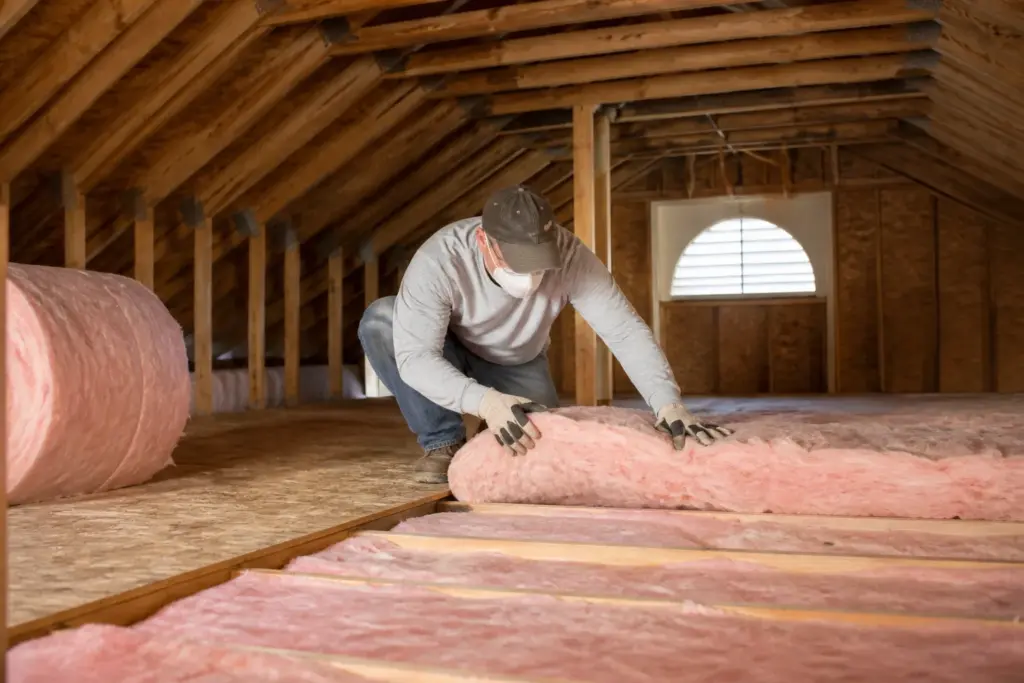
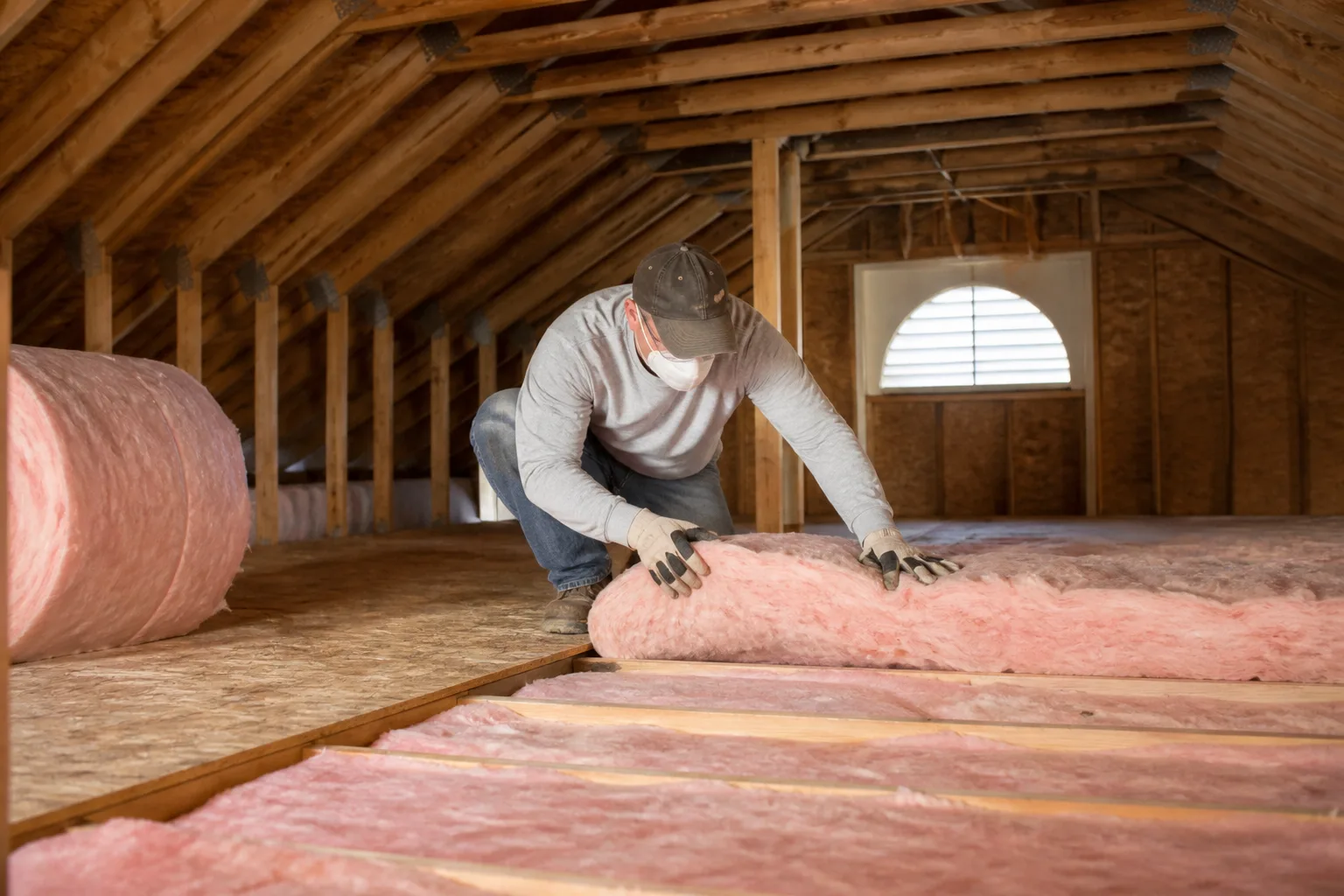
Owens Corning’s attic product line splits into three main categories, and each one solves a different problem. The blown-in PINK fiberglass (often sold as ProPink L77 loosefill) is the workhorse for open attics with irregular joist spacing or lots of nooks around ductwork and recessed lights. It installs fast and fills cavities that batts can’t reach cleanly. The EcoTouch batts are pre-cut fiberglass blankets that work well in standard joist bays, especially in newer Garden Grove homes with predictable framing. The AttiCat system is essentially blown-in fiberglass in compressed bales, designed for the homeowner rental machine program at big-box stores. AttiCat and ProPink are both fiberglass, but AttiCat’s expansion ratio and blowing characteristics are tuned for DIY machines. In Garden Grove attics where access is tight or the roof pitch forces you to work in awkward positions, batts are often easier to place correctly than blown material. But if you’re topping off existing insulation or filling odd cavities, blown fiberglass wins.
Where Owens Corning Blown Fiberglass Beats Cellulose in Garden Grove
Garden Grove sits close enough to the coast that summer humidity is a genuine factor in attic performance. Blown fiberglass doesn’t absorb moisture the way cellulose can. When humid air moves through a vented attic in July and August, cellulose fibers can clump and lose loft, which reduces their effective R-value. Owens Corning’s blown PINK fiberglass doesn’t have that problem. It’s also significantly faster to install – a typical 1,200-square-foot Garden Grove attic can be topped up in a morning, where cellulose takes longer to dense-pack properly. But cellulose has its own advantages. GreenFiber blown-in cellulose (which we install alongside Owens Corning products) settles into a more stable R-value over time and gives homeowners a recycled-content option that fiberglass can’t match. For Garden Grove homeowners who prioritize eco-conscious material and are willing to account for the moisture factor with good attic ventilation, cellulose is a serious contender. The point isn’t that one is universally better. It’s that the right choice depends on your attic’s ventilation, your existing insulation type, and what you care about most.
The AttiCat DIY Route: What Actually Works and What Doesn’t
Owens Corning’s AttiCat blown-in system is marketed heavily toward DIYers, and the rental machine program at home improvement stores makes it feel approachable. For some Garden Grove attics, it genuinely is. If your attic has open, walkable floor space, clear access, and no existing moisture damage, running an AttiCat machine yourself can save meaningful money. But there are real risks. The machine feeds fiberglass at a high rate, and if you don’t maintain a steady, even sweep pattern, you’ll end up with thin spots that underperform and thick spots that waste material. Depth consistency matters more than most people realize – a 20% variance in depth translates to a 20% variance in thermal performance. We’ve also pulled DIY fiberglass jobs out of attics in west Garden Grove where homeowners had buried soffit vents with blown material, choking off attic airflow entirely. That’s a ventilation failure that can cause moisture buildup and mold, and it’s easy to do accidentally when you’re focused on getting the material distributed. DIY works when the attic is simple and the installer is methodical. But if your attic has recessed lights, bathroom fans venting into the attic space, or signs of past moisture, call someone who does this daily.
Why Installation Quality Matters More Than the Brand Logo
An Owens Corning product installed over unsealed gaps, bypasses, and uninsulated attic hatches delivers a fraction of its rated performance. That’s not a dig at the product – it’s how building science works. Air moves through gaps faster than heat conducts through insulation. If your attic floor has unsealed penetrations around plumbing vents, electrical chases, or recessed lights, the best fiberglass in the world won’t fix your comfort problem. This is why we always pair Owens Corning attic insulation in Garden Grove with a basic air-sealing pass before any material goes in. The other install variable is depth. Owens Corning publishes R-value-per-inch specs, but those numbers assume consistent, uncompressed material. If batts get squeezed into oddly-sized joist bays or blown fiberglass ends up shallow in the corners, the stated R-value drops fast. A contractor who measures depth, checks for compression, and verifies ventilation after install is worth more than a brand-name product slapped in quickly. In Garden Grove, where attic temperatures can hit 130+ degrees in August, that difference shows up in the July and August AC bills.
Questions to Ask Any Contractor Quoting Owens Corning Products
Before you sign a quote for Owens Corning attic insulation in Garden Grove, ask these five questions. The answers tell you whether the contractor is specifying material for your attic or just clearing inventory off the truck.
- Why this product line and not another? If they can’t explain why EcoTouch batts versus blown fiberglass versus AttiCat, they haven’t looked at your attic closely enough.
- Will you air seal before installing? If the answer is no, get another quote. Air sealing is the highest-ROI insulation step in most Garden Grove homes.
- What R-value are you targeting, and how many inches does that require? Attic R-38 to R-49 is typical for Southern California. They should be able to tell you exactly how deep they’re going.
- How do you handle soffit vents and recessed lights? A proper answer involves baffles and material shielding. A vague answer means your attic ventilation is at risk.
- Do you install other materials if Owens Corning isn’t the right call? A contractor who only works with one fiberglass line can’t be material-agnostic. We install Owens Corning, Johns Manville, Knauf, CertainTeed, Rockwool, Icynene, Demilec, and GreenFiber – so when fiberglass isn’t the right answer, we say so.
When Owens Corning Isn’t the Right Choice
Brand loyalty aside, there are Garden Grove attics where Owens Corning fiberglass isn’t the best material. If you’re dealing with an unvented attic assembly or a bonus room above the garage that’s impossible to keep comfortable, spray foam often does what fiberglass can’t. Closed-cell foam from Icynene or Demilec air-seals and insulates in one step, and it’s the better answer for attics with complex rooflines or ductwork buried in the insulation layer. If you want fire resistance and serious sound dampening – say, for a home near the 22 freeway in Garden Grove or one with a ADU conversion – Rockwool mineral wool batt insulation outperforms any fiberglass product on both fronts. And if your priority is recycled content, GreenFiber cellulose is the cleaner environmental story. We pulled one out of a garage over in Garden Grove’s West Grove neighborhood last month where the homeowner had been quoted exclusively Owens Corning by a fiberglass-only shop. The attic had a venting problem no fiberglass was going to fix, and the real answer was foam on the roofline. The brand wasn’t wrong. The match was.
How Garden Grove’s Climate Shapes the Decision
Garden Grove’s attic conditions are mild compared to Phoenix or Vegas, but the specifics matter. Winter lows in the 40s mean attics cool off quickly at night, and summer highs in the 90s combined with coastal humidity create a distinct moisture profile. Owens Corning blown fiberglass handles these conditions well when paired with proper ventilation. Batts work fine in stable, dry attics. But humidity from the ocean – Garden Grove sits about 8 miles from the coast – means moisture-resistant material choices often win over marginal cost savings. We also see older Garden Grove homes built in the 1950s and 60s with attics that predate modern ventilation standards. Those homes often need a ventilation correction before or alongside new insulation. If your home falls into that age bracket, an insulation-only quote is missing half the problem.
The Bottom Line
Owens Corning attic insulation in Garden Grove is a strong default for most vented attics – the blown PINK fiberglass resists our coastal humidity, the EcoTouch batts work well in standard framing, and the AttiCat system makes simple DIY jobs genuinely possible. But the brand name doesn’t answer the question of what your specific attic needs. Air sealing first, correct depth second, and honest material selection third. If you’re in Garden Grove and want a free estimate on any Owens Corning product – or an honest recommendation for a different material if that’s what your attic calls for – Stratford Insulation offers free assessments. Call (844) 643-2736 and we’ll take a look.
Related services in Garden Grove: Attic Insulation in Garden Grove covers the full range of batt and blown-in options, and Blown In Insulation in Garden Grove explains the loose-fill approach in more detail. If you’re considering foam for an unvented attic, Spray Foam Insulation in Garden Grove covers that path. And for a broader look at who we are and how we work, you can always head back to the Stratford Insulation home page.
Frequently Asked Questions
Blown-in Owens Corning fiberglass in Garden Grove typically runs $1.50 to $2.50 per square foot installed, depending on target R-value and attic access. EcoTouch batts usually land in a similar range. AttiCat DIY material-only costs run roughly $0.60 to $0.90 per square foot. Call (844) 643-2736 for an exact quote – estimates are free.
Blown fiberglass fills irregular cavities and tops off existing insulation more effectively. Batts work best in attics with standard joist spacing and clean access. For most Garden Grove attics with mixed geometry and existing insulation, blown fiberglass is the more practical choice. We can tell you which fits after one look at your attic floor.
Yes, if your attic has open floor space, clear access, and no existing moisture or ventilation issues. AttiCat machines are rentable at home improvement stores, and the process is methodical but manageable for a careful DIYer. If your attic has recessed lights, soffit vents, or signs of past moisture, call a professional – those complications are easy to get wrong.
Not specifically. For sound dampening in Garden Grove homes – especially near the 22 freeway or for ADU conversions – Rockwool mineral wool batts outperform fiberglass products on acoustic performance. We install both, and we’ll recommend Rockwool when sound is your primary concern. Call (844) 643-2736 to talk through which material fits.
Written by the team at Stratford Insulation, serving Garden Grove since 2015.
Need Insulation Help?
Call Stratford Insulation — licensed & insured, here with fast after-hours help in Garden Grove.
(844) 643-2736